Snowflake SVG File: A Versatile Digital Asset for Designers and Creators
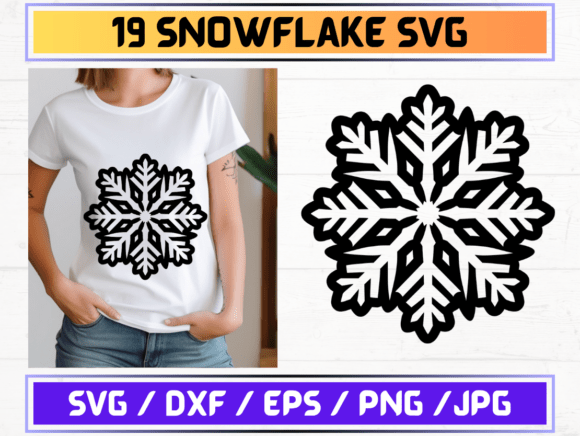
The Snowflake SVG File is a digital graphic asset that offers creators, designers, and professionals a high-quality, scalable image of a snowflake. This file format is ideal for those who need flexibility in their design workflows, whether for print, web, or digital projects. As part of a downloadable package containing multiple file formats, the Snowflake SVG File provides users with the ability to integrate this asset seamlessly into various applications and platforms.
This listing includes 4 files in a ZIP folder, offering a total of 19 SVG files, 19 PNG files (300 dpi with transparent backgrounds), 19 DXF files, 19 JPG files, and 19 EPS files. These files are all delivered digitally, ensuring instant access without the need for physical shipping. The versatility of these formats makes the Snowflake SVG File suitable for a wide range of uses, from simple graphic overlays to complex vector illustrations.
Understanding the Snowflake SVG File
An SVG (Scalable Vector Graphics) file is a vector image format that allows for high-quality graphics at any size without loss of resolution. This makes it particularly useful for designs that need to be scaled up or down, such as logos, icons, and illustrations. The Snowflake SVG File, being a vector-based graphic, maintains its clarity and sharpness regardless of the size at which it is used.
Unlike raster images like PNG or JPG, which can lose quality when scaled, SVG files preserve their crisp edges and clean lines. This makes them an excellent choice for designers working on projects that require precision and scalability, such as website headers, social media graphics, or printable materials.
Integration into Design Workflows
The Snowflake SVG File can be integrated into various stages of a design workflow. Before starting a project, designers might use the Snowflake SVG File as a placeholder or reference to visualize how elements will look within a larger composition. During the design process, the file can be edited using vector graphic software like Adobe Illustrator or Inkscape, allowing for customization to match specific color schemes, sizes, or styles.
After the initial design phase, the Snowflake SVG File can be exported in multiple formats, including PNG, JPG, and EPS, making it compatible with both vector and raster-based applications. This ensures that the snowflake graphic can be used across different platforms, from digital marketing campaigns to print materials, without compromising quality.
Use Cases for the Snowflake SVG File
The Snowflake SVG File is not limited to a single use case. It can be incorporated into a variety of projects, including:
- Seasonal Marketing Campaigns: Use the snowflake graphic in holiday promotions, winter-themed advertisements, or seasonal social media posts.
- Graphic Design Projects: Incorporate the snowflake into logos, branding materials, or website banners to add a touch of elegance and seasonality.
- Print Materials: Utilize the PNG or JPG versions of the snowflake for printed items such as greeting cards, calendars, or packaging designs.
- Digital Illustrations: Combine the SVG file with other vector elements to create detailed illustrations for books, presentations, or educational content.
By leveraging the Snowflake SVG File in these ways, designers can enhance their projects with a visually appealing and versatile element that fits seamlessly into various contexts.
Compatibility and Workflow Tips
One of the key advantages of the Snowflake SVG File is its compatibility with a wide range of design tools and platforms. Whether you're using Adobe Creative Suite, Canva, or open-source software like Inkscape, the SVG format ensures that the snowflake graphic remains editable and scalable throughout your workflow.
To ensure smooth integration, it's important to organize your design assets properly. Keeping the Snowflake SVG File in a dedicated folder along with other related assets can help streamline the design process. Additionally, maintaining consistent naming conventions and file structures can improve efficiency, especially when working on large-scale projects.
For those who prefer working with raster formats, the PNG and JPG versions of the snowflake provide high-resolution options that are suitable for web use or print. The transparent background feature of the PNG files makes them ideal for overlaying on different colors or textures without the need for additional editing.
Long-Term Use and Quality Control
When considering long-term use of the Snowflake SVG File, it's essential to maintain the original vector file for future edits. Raster formats like PNG or JPG should be used only when the final output is required, as they do not allow for further modifications. By keeping the SVG file intact, designers can revisit and adjust the snowflake graphic as needed, ensuring consistency across different projects and timelines.
Quality control is another important aspect of using the Snowflake SVG File. When exporting the graphic into other formats, it's crucial to verify that the resolution and color accuracy remain consistent. This is especially important for print projects, where even minor discrepancies can affect the final outcome.
Conclusion
The Snowflake SVG File is a valuable digital asset that offers designers, creators, and professionals a flexible and scalable solution for incorporating snowflake graphics into their work. With its compatibility across multiple file formats and design tools, the Snowflake SVG File can be seamlessly integrated into various stages of a project, from initial planning to final execution.
Whether you're working on seasonal marketing campaigns, graphic design projects, or digital illustrations, the Snowflake SVG File provides a high-quality, versatile option that enhances visual appeal and workflow efficiency. By understanding how to use and integrate this asset effectively, you can elevate your creative output and achieve professional results with ease.